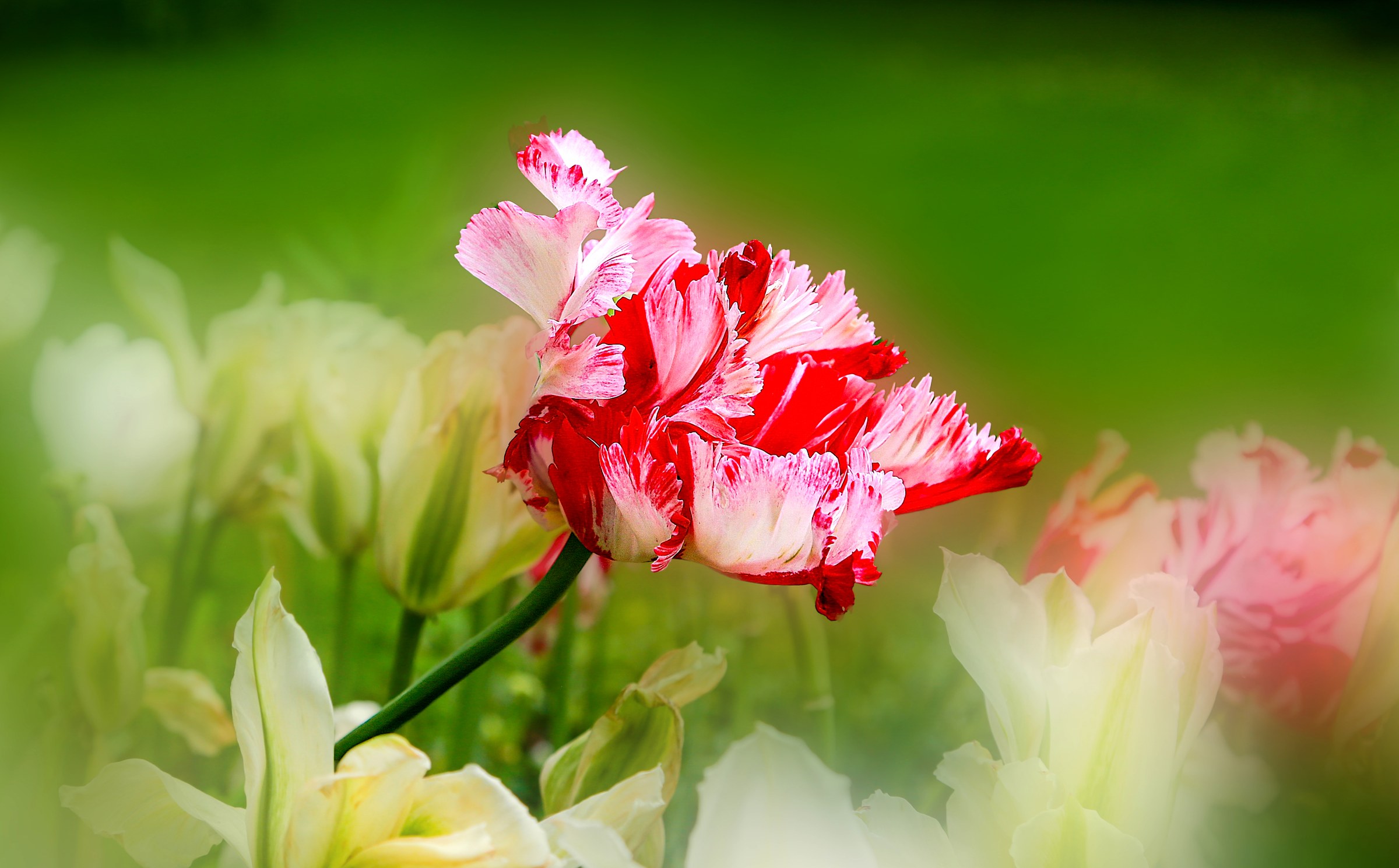
What happenedTulip maniaWhat a bubble actually requiresCompound 101
What happened
Tulips, the South Sea, and what a bubble actually requires
Two of history's most famous manias, and the ingredients they share with every one since: a story, credit, and buyers betting on buyers.
· 6 min read · history · bubbles · psychology
Every account of financial bubbles starts with the same two stories: Dutch tulips in the 1630s and the South Sea Company in 1720. They are usually told quickly, as fables about human folly. Looked at closely, they are more useful than that. One is smaller and stranger than its legend; the other is bigger and more deliberate. Between them they contain almost every mechanism that has driven a mania since.
This topic is part of the full library
This one is part of the full library. A free account opens 2 paid reads a month; the plans open the whole shelf and every course chapter.